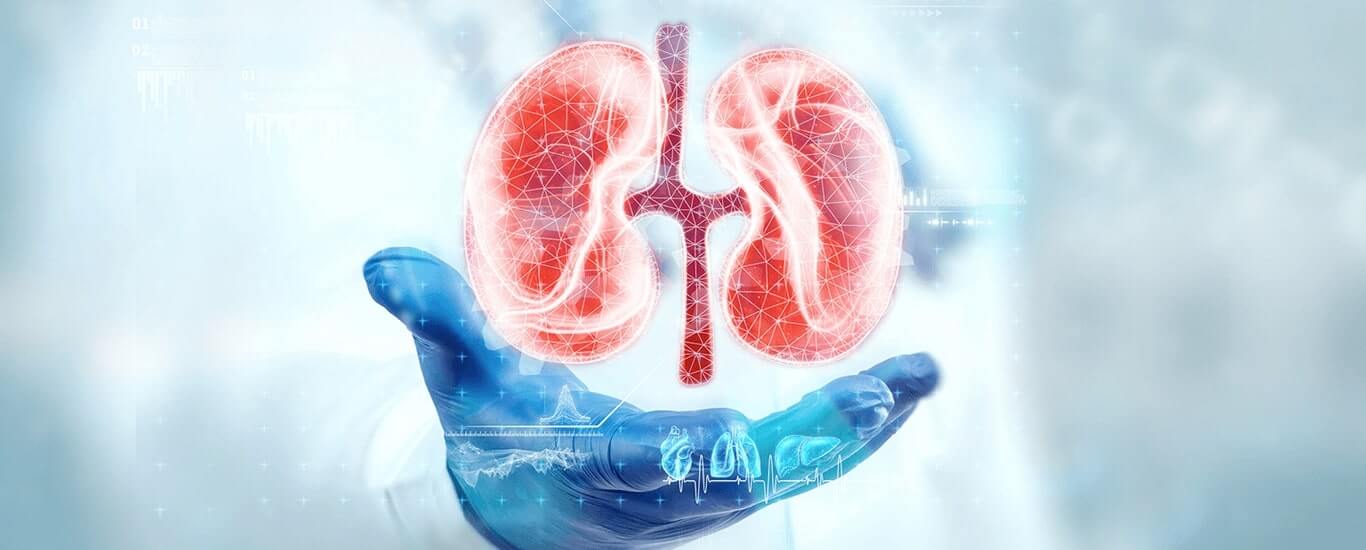

Type 2 diabetes is a chronic condition that affects the way the body processes blood sugar (glucose). With over 400 million people worldwide suffering from this disease, it's a global health issue that can lead to numerous complications if not managed properly. One of the most severe complications is kidney disease, also known as diabetic nephropathy, which can lead to the need for dialysis and significantly impact the quality of life.
How Diabetes Affects the Kidneys
The kidneys are vital organs that filter waste products from the blood and regulate fluid and electrolyte balance. They are made up of millions of tiny blood vessels that act as filters. When blood flows through these vessels, waste products and excess water are removed and excreted as urine.
In people with type 2 diabetes, high blood sugar levels can cause damage to these small blood vessels. Over time, the vessels become scarred and start to leak, reducing the kidneys' ability to filter blood effectively. This damage accumulates, and the kidneys begin to lose their filtering capabilities, a condition known as diabetic nephropathy.
Diabetic kidney disease progresses through several stages and it often goes unnoticed until the kidneys are significantly damaged:
1. Increased Filtration: Initially, the kidneys filter more blood than normal, which can seem beneficial but is actually a sign of stress.
2. Microalbuminuria: As the disease progresses, small amounts of albumin, a protein, begin to leak into the urine. This stage is an early indicator of kidney damage.
3. Elevated Creatinine: Damaged kidneys start to lose their ability to filter blood effectively, leading to the buildup of creatinine in the blood, a waste product that should be filtered out.
4. Kidney Failure: Eventually, the kidneys can fail entirely, leading to the need for dialysis or a kidney transplant.
Risk Factors and Prevention
Certain factors can increase the risk of developing kidney disease from diabetes:
• High Blood Sugar Levels: Poor control of diabetes increases the risk of every diabetic complication, including kidney disease.
• High Blood Pressure: High blood pressure can cause further damage to the kidneys on top of diabetes.
• Genetic Predisposition: Family history can play a role in the likelihood of developing kidney disease.
• Smoking: Smoking can worsen the effects of diabetes on the kidneys.
• Obesity: Being overweight increases the stress on the kidneys.
Preventing or delaying diabetic kidney disease requires managing these risk factors through treatment and lifestyle changes, but it is often hard for many patients.
The Path to Dialysis
Dialysis is a treatment that takes over the function of the kidneys when they are no longer able to do so.
For many patients with end-stage kidney disease due to diabetes, dialysis becomes a necessary part of life. This typically involves several sessions a week, each lasting several hours.
Living on dialysis can be challenging. It requires a strict schedule, dietary restrictions, and regular monitoring. Dialysis can impact a patient’s quality of life, leading to constant fatigue and significant dietary and fluid restrictions that can be difficult to adhere to. Dialysis can be costly and can impact patients’ social lives and mental well-being.
New Potential Treatments Are Being Developed
Type 2 diabetes is a pervasive health issue that can lead to severe complications, including kidney disease. Understanding the connection between diabetes and kidney disease is crucial for prevention and management. By controlling diabetes and associated risk factors, the progression to kidney disease can be delayed and even stopped for some, but still too many will progress to a lifetime on dialysis.
The National Heart Institute in Beverly Hills, California conducts clinical trials of cutting-edge potential treatments that may help patients suffering from cardiovascular diseases and related conditions such as high blood pressure and cholesterol, diabetes, kidney disease, and obesity.
Visit www.nationalheartinstitute.org to view NHI’s currently enrolling trials and see if you are a candidate.
We can help! Clinical trials are FREE and you will get PAID for participation!