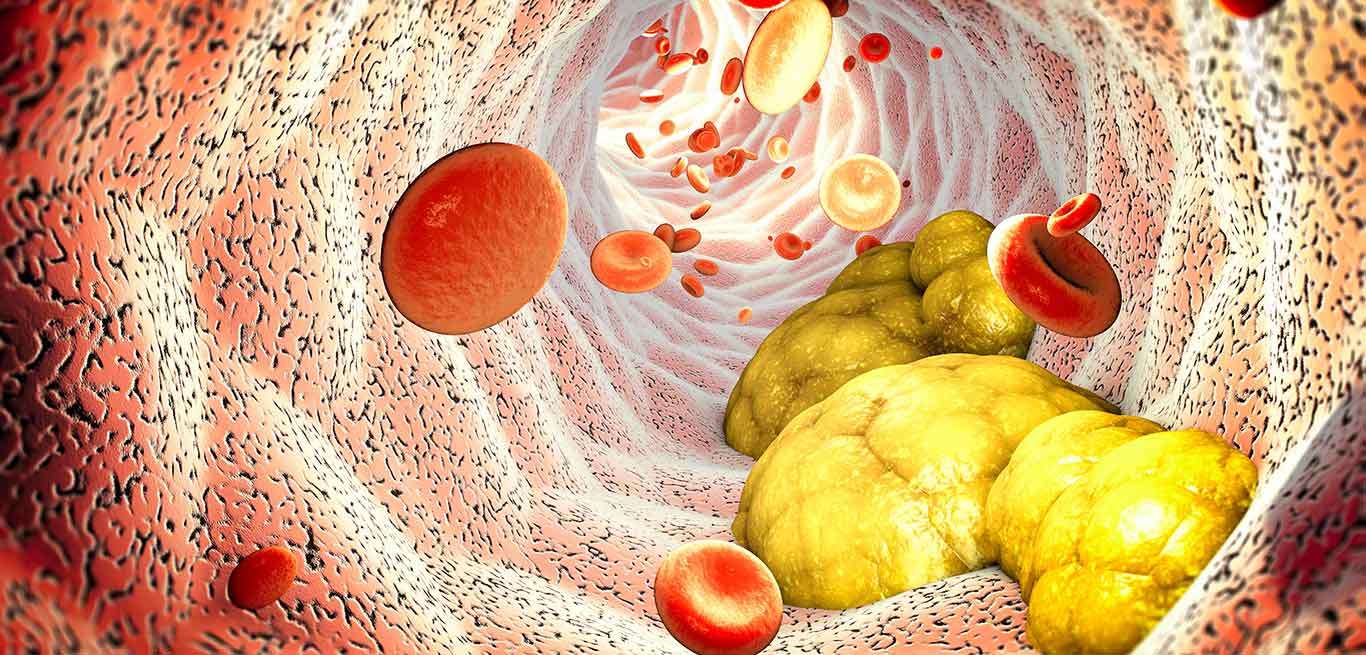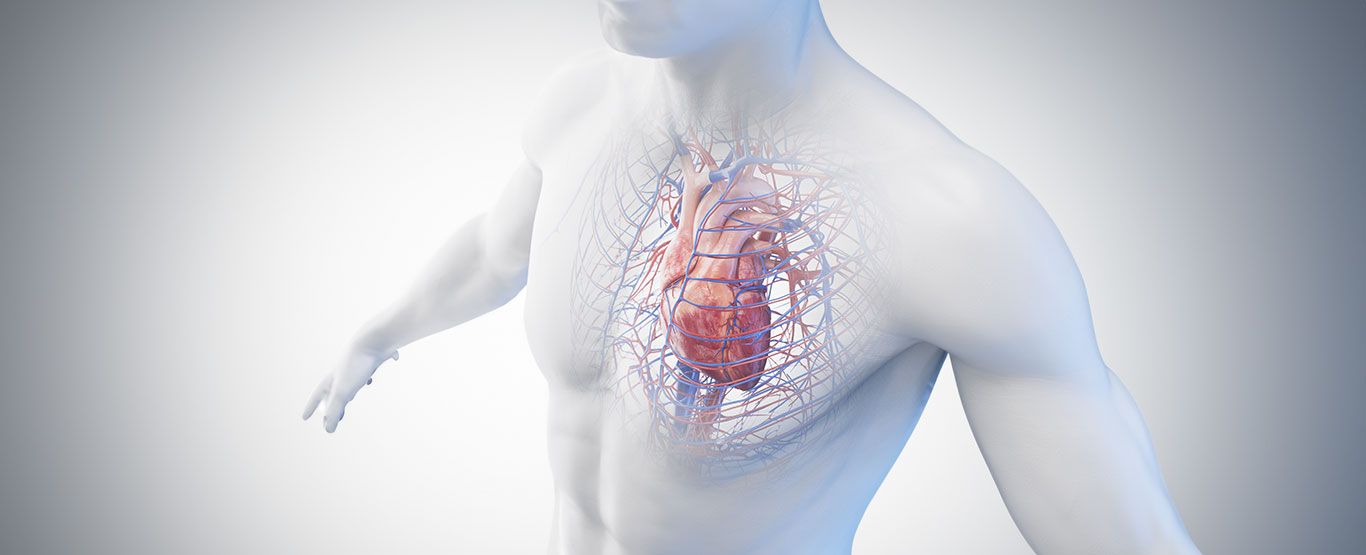

Heart disease is the number one killer of men and women. Women tend to develop heart disease at an older age than men because of the protection that their sex hormones, particularly estrogen, provide up until menopause. Once menopause begins, physiologic changes occur in women as a result of lower levels of estrogen, including an increase in LDL-cholesterol and triglycerides and a decrease in HDL-cholesterol that increases their risk of coronary and carotid vascular disease. Once menopause occurs, women lose their cardiovascular protection, and their risk of heart attack and stroke increases at a faster rate to the point that when a woman reaches seventy years of age, her cardiovascular risk is similar to men. Women can suffer from strokes and heart attacks prior to menopause, though it is less common.
There are differences in symptoms between women and men that are important to be aware of. Men typically present with a sense of pressure or fullness in the mid-chest that can be associated with radiation to the arm or jaw, shortness of breath, and sweating. Women having heart attacks tend to present with shortness of breath as a primary symptom, along with a feeling of indigestion with nausea, vomiting, and discomfort in the upper back and neck. Awareness of these symptoms is important as heart attacks can be effectively treated in a hospital setting with stents placed to open the occluded artery or “clot-busting” drugs that can dissolve the blood clot blocking blood flow in a coronary artery- But every second counts to be aware of these symptoms as the longer it takes to treat the coronary artery blockage the less likely one will be able to preserve the survival of heart cells. Treating these patients within an hour of the development of symptoms is ideal. If treatment is delayed beyond six hours, most of the damage has been done. If one develops such symptoms, it is best to seek out emergency services so that the diagnosis can be made and treatments can be initiated.
Still, prevention is key to preventing heart disease and stroke. Be sure you have your cholesterol evaluated and, if indicated, treated with cholesterol-lowering drugs, be sure your blood pressure is controlled and that you exercise regularly and have a heart-healthy diet. A simple and inexpensive coronary calcium score is especially important in women since their cardiovascular risk is often underestimated. A good time to consider undergoing this exam is during or just after menopause. The finding of any coronary artery calcium should lead to efforts to reduce LDL-cholesterol even if you have been told it is “OK. If it were okay, you would not have a coronary plaque in the first place.