

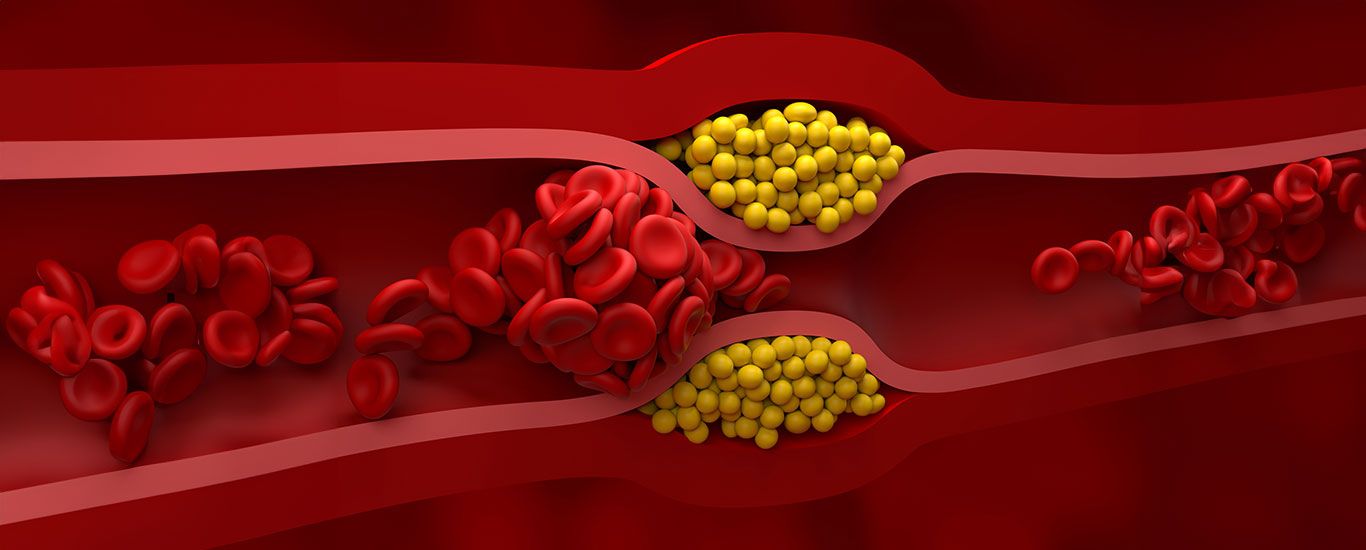
Lipoprotein (a), also known by its abbreviation LP(a), is the new bad cholesterol kid on the block, often referred to as the “horrible” cholesterol. It was discovered only forty years ago, and the more we learn about it, the more concerned we are about the impact of LP(a) on increasing the risk of heart attack, stroke, peripheral artery disease, and aortic stenosis independent of other cholesterol levels. This means that even if you have well-treated bad cholesterol (LDL-cholesterol), your risk of complications from atherosclerotic coronary vascular disease, including stroke, heart attack, and peripheral artery disease, as well as a need for treatments such as stents and bypass surgery remains high. The most recent recommendation is that every adult should have an LP(a) level checked once in their lifetime. Since LP(a) is not part of a routine cholesterol or lipid panel, you will need to ask your physician to have that level checked, especially if you or a close relative have had a heart attack or needed a coronary stent procedure to treat a blockage in a coronary artery to your heart.
Up to 20% of the population have elevated LP(a) levels greater than 30 mg/dl or about 70 nmol/l. Patients more likely to have elevated LP(a) levels are those with a close relative who has had a heart attack, stroke, or peripheral artery disease, needed a stent procedure or bypass surgery, or died from cardiovascular disease at a younger age. People of African descent are more likely than others to have an elevated LP(a), but there are no populations immune to the effects of this horrible cholesterol.
Unfortunately, there are no directed treatments commercially available to reduce LP(a) levels, and there are no supplements or herbs that can do the trick either. However, we do have treatments available only in clinical trials that have been shown to reduce LP(a) levels by more than 90%. Olpasiran is one of those treatments shown to be safe and effective in a recent Phase II clinical trial. It is now being evaluated in the OCEAN(a) Phase III clinical trial in patients 18-85 years of age who have an LP(a) level greater than or equal to 200 nmol/l who have had a history of heart attack or have needed a stent procedure to treat a blockage in a coronary artery that brings blood flow to the heart.
Patients are excluded from the study if they have severe chronic kidney disease with an eGFR < 30 ml/min/1.73m2, a malignancy (except non-melanoma skin cancers, cervical in-situ carcinoma, breast ductal carcinoma in situ, or stage 1 prostate carcinoma) within the last five years or significant liver disease. Patients also must be compliant with taking their medications, including their currently prescribed cholesterol-lowering medications. Subjects will continue to take their cholesterol-lowering medications at current doses during the trial, and cholesterol levels should be optimized prior to entering the trial.
The primary objective is to compare the effect of treatment with Opasiran, to placebo, on the risk for coronary heart disease death, heart attack, or a need for urgent coronary stent placement or bypass surgery in these patients. No important safety concerns have been identified in Olpasiran clinical studies. The medication is given as an easy-to-administer subcutaneous injection every three months. Injection site reactions comprised of mostly mild to moderate symptoms such as localized pain, erythema, and bruising have been observed, similar to other medications administered in this same manner. All patients in the trial will continue taking their current cholesterol-lowering medication.
If you feel that you may be eligible for the OCEAN(a) trial or know someone who is, apply at https://nationalheartinstitute.org/candidate-form
Or, contact the National Heart Institute at info@nationalheartinstitute.org. Our bilingual staff is here to assist you in all matters related to clinical trial enrollment and participation.
All trial-related procedures and treatments are free of charge, you will be paid for your visits to our clinical trial site in Beverly Hills, and you will benefit from having your clinical trial journey supervised by world-class cardiologists.
The National Heart Institute is a center of excellence for clinical trials.

OCEAN(a) Trial for Lipoprotein A Reduction
By Dr. Norman E. Lepor
|October 05, 2023
|RELATED ARTICLES
LP(a) Cholesterol: It’s As Bad As They Say
Lipoprotein A, also known by its abbreviation LP(a), was discovered only fifty years ago. It is associated with an increased risk of suffering from a heart attack, stroke, peripheral artery disease, and a valve condition called aortic stenosis independent of one’s cholesterol level. So even if your cholesterol is well treated, an elevated LP(a) can leave you at high risk.
Learn More
Coronary Vascular Disease
The term coronary vascular disease refers to the development of plaque in the walls of any artery in the human body. If plaque formation occurs in the arteries to the heart, it is referred to as coronary artery disease...
Learn More
The 4 Best Habits To Lower Your Heart Disease Risk, From A California Cardiologist
A cardiologist provides easily achievable habits to keep your ticker healthy for years to come, and lower your heart disease risk.
Learn More